drrsanguri@gmail.com
Phone : +919217100184
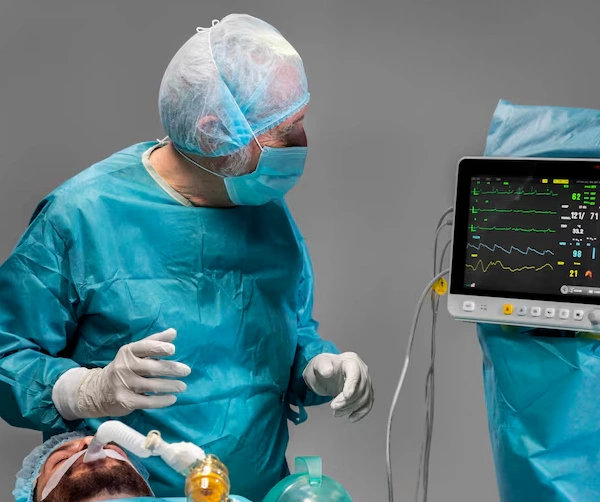
Accurate diagnosis is the foundation of effective heart care. When non-invasive tests are not enough to understand the condition of the heart, Cardiac Catheterization provides detailed information about heart chambers, valves, blood vessels, and overall cardiac function. At Cardiology Services, located at Flat No. 282, Akshardham Apartments, Pocket 3, Sector 19, Dwarka, we offer advanced Cardiac Catheterization in Sector 19 Dwarka for precise diagnosis and treatment planning of various heart conditions.
Our experienced cardiology team uses modern catheter-based techniques to evaluate heart function, identify blockages, measure pressures inside the heart, and guide appropriate treatments such as angioplasty or other cardiac interventions. We focus on patient safety, accurate assessment, and personalized cardiovascular care.
What is Cardiac Catheterization?
Cardiac Catheterization, also known as a Cardiac Cath Procedure, is a minimally invasive diagnostic procedure used to examine the heart and blood vessels. During the procedure, a thin flexible tube called a catheter is inserted through an artery or vein, usually from the wrist or groin, and guided toward the heart.
The procedure allows doctors to measure heart pressures, evaluate blood flow, examine coronary arteries, and diagnose various cardiovascular conditions with high accuracy.
Who Needs Cardiac Catheterization?
Cardiac catheterization may be recommended for patients with:
- Suspected coronary artery disease
- Chest pain with unclear cause
- Abnormal stress test or ECG results
- Heart valve problems
- Congenital heart conditions
- Heart failure evaluation
- Pulmonary hypertension assessment
- Before certain heart surgeries
- Blocked coronary arteries
- Unexplained cardiac symptoms
Your cardiologist determines the need for catheterization based on your symptoms, medical history, and diagnostic results.
Conditions Diagnosed Through Cardiac Catheterization
Cardiac catheterization helps diagnose:
- Coronary artery disease
- Blocked or narrowed heart arteries
- Heart valve disorders
- Congenital heart defects
- Heart failure-related conditions
- Pulmonary hypertension
- Abnormal heart pressures
- Blood flow abnormalities
- Structural heart problems
It provides detailed information that helps cardiologists select the most effective treatment approach.
Benefits of Cardiac Catheterization
Choosing Cardiac Catheterization in Sector 19 Dwarka offers several benefits:
- Accurate diagnosis of heart conditions
- Detailed evaluation of coronary arteries
- Measurement of heart chamber pressures
- Helps plan angioplasty or surgery
- Detects hidden cardiac problems
- Minimally invasive procedure
- Provides real-time heart assessment
- Supports personalized treatment decisions
- Improves treatment outcomes
- Enables early intervention
How is Cardiac Catheterization Performed?
Pre-Procedure Evaluation
The cardiologist reviews your medical history, medications, previous test reports, and overall heart condition before the procedure.
Local Anesthesia
Local anesthesia is given at the catheter insertion site to ensure comfort. The procedure is generally performed while the patient is awake.
Catheter Insertion
A thin catheter is inserted through an artery or vein, commonly through the wrist or groin, and guided toward the heart using X-ray imaging.
Heart Evaluation
The cardiologist measures blood pressure inside the heart chambers, evaluates blood flow, and may inject contrast dye to visualize coronary arteries.
Treatment Planning
Based on the findings, your cardiologist may recommend medications, lifestyle changes, angioplasty, stenting, valve procedures, or other treatments.
Recovery and Aftercare
Recovery after cardiac catheterization is usually quick, especially when performed through the wrist artery.
After the procedure:
- Drink plenty of fluids to help remove contrast dye.
- Avoid strenuous activities for a short period.
- Keep the catheter insertion site clean.
- Monitor for swelling, bleeding, or discomfort.
- Take medications as prescribed.
- Follow your cardiologist's instructions.
- Attend follow-up appointments.
Most patients can return to normal activities within a few days depending on their condition and the type of procedure performed.
Why Choose Cardiology Services in Sector 19 Dwarka?
At Cardiology Services, we provide advanced cardiac diagnostic and interventional services with a patient-focused approach.
Why patients trust us:
- Experienced cardiology specialists
- Advanced catheterization techniques
- Accurate cardiac diagnosis
- Modern diagnostic facilities
- Personalized treatment planning
- Comprehensive heart care services
- Safe and comfortable procedures
- Convenient location in Sector 19, Dwarka
Our aim is to provide precise diagnosis and effective treatment strategies to protect your heart health.
Tips to Maintain Heart Health After Cardiac Evaluation
Maintain a healthy heart by following these habits:
- Follow your cardiologist's advice.
- Take prescribed medications regularly.
- Maintain a balanced diet.
- Exercise regularly as recommended.
- Control blood pressure and cholesterol.
- Manage diabetes effectively.
- Avoid smoking and tobacco.
- Maintain a healthy weight.
- Reduce stress.
- Schedule regular heart check-ups.
Frequently Asked Questions (FAQs)
1. What is cardiac catheterization?
Cardiac catheterization is a minimally invasive procedure used to examine heart function, blood vessels, and pressures inside the heart using a thin catheter.
2. Is cardiac catheterization painful?
The procedure is generally not painful because local anesthesia is used. Patients may feel slight pressure during catheter insertion.
3. How long does cardiac catheterization take?
The procedure usually takes around 30 minutes to 1 hour, depending on the complexity of the evaluation.
4. Is cardiac catheterization safe?
Yes. Cardiac catheterization is a commonly performed procedure carried out by experienced cardiologists with appropriate monitoring and safety measures.
5. What is the difference between cardiac catheterization and coronary angiography?
Coronary angiography is a type of cardiac catheterization specifically used to visualize coronary arteries and detect blockages.
6. How long does recovery take after cardiac catheterization?
Most patients recover within a few days. Recovery time may vary depending on the access site and whether additional treatment was performed.
7. Can cardiac catheterization treat heart problems?
Yes. In some cases, catheterization procedures can be combined with treatments such as angioplasty and stent placement.
8. Where can I get Cardiac Catheterization in Sector 19 Dwarka?
Visit Cardiology Services, Flat No. 282, Akshardham Apartments, Pocket 3, Sector 19, Dwarka, for expert Cardiac Catheterization, advanced heart evaluation, and comprehensive cardiovascular care.

Dr Ritesh Sanguri.All Rights Reserved © 2026


