drrsanguri@gmail.com
Phone : +919217100184
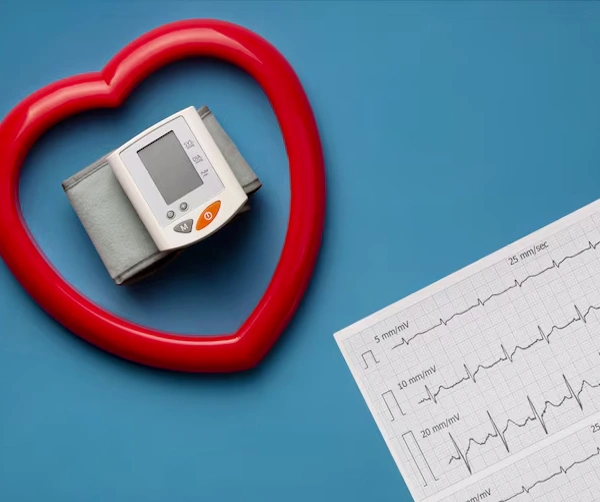
Heart failure is a serious cardiovascular condition in which the heart is unable to pump blood efficiently to meet the body's needs. Although it is a chronic condition, proper diagnosis, medical treatment, lifestyle changes, and regular monitoring can help manage symptoms and improve quality of life. At Cardiology Services, located at Flat No. 282, Akshardham Apartments, Pocket 3, Sector 19, Dwarka, we provide comprehensive Heart Failure Management in Sector 19 Dwarka with personalized treatment plans designed according to each patient's condition.
Our experienced cardiology team focuses on improving heart function, controlling symptoms, preventing hospital admissions, and reducing the risk of complications through advanced cardiac care and continuous monitoring.
What is Heart Failure Management?
Heart Failure Management involves a comprehensive approach to controlling heart failure symptoms, improving heart function, and slowing disease progression. It includes medications, lifestyle modifications, monitoring, device-based therapies when required, and management of underlying conditions affecting the heart.
The goal of heart failure treatment is to help patients live longer, healthier, and more active lives while reducing symptoms such as breathlessness, fatigue, and swelling.
Who Needs Heart Failure Management?
Heart failure management is recommended for patients experiencing:
- Shortness of breath during activity or rest
- Persistent fatigue and weakness
- Swelling in legs, ankles, or feet
- Rapid weight gain due to fluid retention
- Irregular heartbeat
- Reduced exercise capacity
- Chest discomfort
- History of heart attack
- High blood pressure
- Cardiomyopathy or heart muscle disease
Patients diagnosed with heart failure require regular cardiac monitoring and ongoing treatment adjustments.
Causes of Heart Failure
Heart failure can develop due to several underlying conditions, including:
- Coronary artery disease
- Previous heart attack
- Long-term high blood pressure
- Heart valve disorders
- Cardiomyopathy
- Heart rhythm disorders
- Diabetes-related heart complications
- Congenital heart disease
- Infections affecting the heart muscle
Identifying and treating the underlying cause plays an important role in effective heart failure management.
Types of Heart Failure
Heart failure may be classified into different types:
Left-Sided Heart Failure
Occurs when the left side of the heart cannot pump blood effectively to the body.
Right-Sided Heart Failure
Occurs when the right side of the heart has difficulty pumping blood to the lungs.
Congestive Heart Failure
A condition where fluid builds up in the lungs or body due to reduced heart pumping ability.
Heart Failure with Reduced Ejection Fraction (HFrEF)
Occurs when the heart muscle has reduced pumping strength.
Heart Failure with Preserved Ejection Fraction (HFpEF)
Occurs when the heart pumps normally but has difficulty relaxing and filling with blood.
Heart Failure Treatment Options
Our heart failure management approach may include:
- Medication management
- Blood pressure control
- Fluid management
- Lifestyle modification guidance
- Dietary recommendations
- Cardiac rehabilitation advice
- Regular heart monitoring
- Pacemaker or ICD therapy when required
- Treatment of underlying heart conditions
Every treatment plan is customized based on the patient's symptoms, heart function, and overall health.
Benefits of Heart Failure Management
Choosing Heart Failure Management in Sector 19 Dwarka provides several benefits:
- Better control of symptoms
- Improved heart function
- Reduced risk of complications
- Fewer hospital admissions
- Improved exercise capacity
- Better quality of life
- Personalized treatment approach
- Improved long-term outcomes
- Effective disease monitoring
- Enhanced patient confidence
How is Heart Failure Managed?
Detailed Cardiac Evaluation
The cardiologist evaluates your symptoms, medical history, heart function, and previous cardiac reports.
Diagnostic Assessment
Tests such as ECG, echocardiography, blood tests, and other cardiac evaluations may be performed to assess heart condition.
Personalized Treatment Plan
Based on the diagnosis, medications, lifestyle changes, and advanced therapies are recommended.
Regular Monitoring
Continuous follow-up helps track heart function, adjust medications, and prevent disease progression.
Advanced Cardiac Therapies
For selected patients, device therapies such as pacemaker or AICD implantation may be considered to improve heart rhythm and reduce risks.
Recovery and Lifestyle Management
Heart failure requires lifelong care and healthy lifestyle practices.
Patients should:
- Take medications regularly.
- Follow a low-salt heart-healthy diet.
- Monitor daily weight.
- Limit fluid intake if advised.
- Exercise as recommended.
- Control blood pressure and diabetes.
- Avoid smoking and tobacco.
- Manage stress effectively.
- Attend regular cardiology follow-ups.
Consistent care helps improve symptoms and maintain better heart health.
Why Choose Cardiology Services in Sector 19 Dwarka?
At Cardiology Services, we provide advanced and compassionate heart failure care focused on improving patient outcomes.
Why patients choose us:
- Experienced cardiology specialists
- Comprehensive heart failure evaluation
- Personalized treatment plans
- Advanced cardiac monitoring
- Evidence-based treatment approach
- Long-term disease management
- Patient-focused care
- Convenient location in Sector 19, Dwarka
Our goal is to help patients manage heart failure effectively and achieve a better quality of life through expert cardiac care.
Tips to Prevent Heart Failure Complications
Follow these healthy habits:
- Monitor blood pressure regularly.
- Maintain healthy cholesterol levels.
- Follow prescribed medications.
- Reduce salt intake.
- Maintain healthy body weight.
- Exercise regularly as advised.
- Control diabetes.
- Avoid smoking.
- Limit alcohol consumption.
- Report new symptoms early.
Frequently Asked Questions (FAQs)
1. What is heart failure management?
Heart failure management is a comprehensive treatment approach that includes medications, lifestyle changes, monitoring, and advanced therapies to improve heart function and control symptoms.
2. Can heart failure be cured completely?
Heart failure is usually a chronic condition, but proper treatment can significantly improve symptoms, heart function, and quality of life.
3. What are the warning signs of worsening heart failure?
Increasing breathlessness, sudden weight gain, swelling, extreme fatigue, chest discomfort, and reduced activity tolerance may indicate worsening heart failure.
4. What tests are used for heart failure evaluation?
Common tests include ECG, echocardiography, blood tests, chest imaging, and other cardiac assessments recommended by the cardiologist.
5. Can lifestyle changes improve heart failure?
Yes. A healthy diet, regular activity, medication compliance, and controlling risk factors can significantly support heart failure management.
6. Do heart failure patients need regular follow-ups?
Yes. Regular cardiology visits help monitor heart function, adjust treatments, and prevent complications.
7. Can heart failure patients live a normal life?
With proper treatment, monitoring, and lifestyle changes, many heart failure patients can maintain active and fulfilling lives.
8. Where can I get Heart Failure Management in Sector 19 Dwarka?
Visit Cardiology Services, Flat No. 282, Akshardham Apartments, Pocket 3, Sector 19, Dwarka, for expert Heart Failure Management, advanced cardiac care, symptom control, and long-term heart health solutions.
Dr Ritesh Sanguri.All Rights Reserved © 2026


